


How many of us, if given a second chance, would get rid of the bad habits we acquired over the years? Most of us would jump at the opportunity to do things completely different. Yet, we don’t. We’re held back by past mistakes. We do nothing about it. Some of us wonder if it’s even worth it to correct our decisions, and to deal with the direct and indirect costs associated with it. Before you skip this, dismissing it as yet another one of those self-help articles, please stick with me for few minutes – I promise that you won’t regret it. It’s been an amazing year, but a few things have opened my eyes about life and investing.
Invest in yourself, it’s not a selfish act. You have a very important financial asset that many people tend to overlook: you. The only guaranteed investment in life is you. For most of your life, you will be focused on converting your human capital into financial capital. That is why most of us do not offer our professional services for free – this is the financial assets accumulation stage of your life. You will most likely increase your human capital through further studies, getting enough sleep and eating well, which will hopefully manifest itself in the form of financial capital through an increase in income. As time progresses, a large part of your wealth will come from the financial assets you accumulate along the way, or your position in the organisational chart rather than your human capital. Therefore, it is worthwhile to get the most out of your human capital earlier in life, while time allows your financial capital to grow and work harder for you.
Protect your human capital against risks such as death and disability. Very few people – if any – will stand up and proclaim their undying love for their insurance policies. But your human capital is arguably one of your most valuable assets and you should strive to protect it. Life insurance and/or disability cover is essential to guard against human capital loss. Injury or illness can occur at any time, which will affect your ability to earn an income. If you already have life insurance, you must check if it has a sufficient disability benefit to cover your living expenses in case of incapacity and check how long you’re covered for so you can plan accordingly.
Clearly define what is important to you. To quote James W. Frick, “Don’t tell me where your priorities are. Show me where you spend your money and I’ll tell you what they are.” It’s natural to spend money on the things you care about, whether you are aware of it or not. If you were to check your bank statement at the end of each month, you may find that you’ve spent a large sum on fine wines and cheeses, yet you’ll see it as nothing more than an occasional indulgence. Most of the time, you’ll find that the amount of money you want is meaningfully less compared to what you value in life. Wealth is relative – remember this and you’ll be happier. As comedian Chris Rock once said, “If Bill Gates woke up with Oprah’s money he’d jump out the window.”
Budgeting is not the magical weapon that it’s made out to be. Our research shows that most of your life’s expenses are fixed for a certain period of time. For example, your bond repayments are normally a 20-year commitment. We estimate that a lion’s share of your budget is determined by: where you stay, what type of car you drive, where you eat out or buy groceries, where your children go to school and whether you pay cash or use credit. One of the most powerful and easiest ways to increase your savings isn’t to raise your income, but to have another look at your lifestyle. It begins with understanding how much money you earn and how much you spend on things you must have, and the things you want to have.
Take a few baby steps at a time and you’re set. As Warren Buffet says, “Don’t save what is left after spending; spend what is left after saving.” You do not have to invest large sums to be a great investor. There are not many people who can invest a significant lump sum with just their salary. The alternative, which is small monthly contributions, is the most effective way to start investing. Don’t want to spend your money? Don’t keep it in your bank account. You are unlikely to cancel a monthly investment plan once it’s set up. Think about those monthly newspaper subscriptions you don’t need but are lazy to cancel because of the effort required.
Protect yourself against life’s inevitable hardships. In essence when you invest, you are protecting yourself against life’s inevitable hardships. The future is a range of good and bad possibilities, and your savings can provide protection against any punches life throws at you. Whatever you do in life, money will affect many of your future decisions. Will you afford a better education for your children? Can you retire early to pursue your passion? Can you afford to travel the world? Can you resign from your job without a job offer? You will be reminded all of your adult life how you never did certain things because you never had enough money. Start today to invest in your future self.
This article forms part of 25 things I learned in the past year. The full list will be published in 2018. Have restful and energising breaks, and be safe on the roads. I look forward to sharing my insights with you again in the New Year.
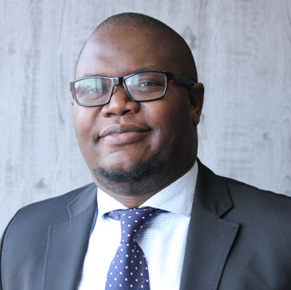
Owen Nkomo
Chief Executive Officer
Owen is the founder of Inkunzi Wealth Group and has over 14 years of industry experience. Prior to founding Inkunzi Wealth Group he held various leadership roles at Deutsche Bank, JPMorgan Chase and Citi. He has an Honours degree in Investment Management.